White Gypsum vs. Gypsum Plaster: Which is Right for You?
White gypsum and gypsum plaster are two common types of construction gypsum. Understanding the differences between these two types of gypsum is essential for choosing the most suitable option for each project.
Gypsum is one of the most widely used building materials, with a long history in the construction industry. Today, various types of gypsum are available in the market, each with its own specific properties and applications. Two common types of construction gypsum are white gypsum and gypsum plaster. Understanding the differences between these two types of gypsum is essential for choosing the most suitable option for each project.
What are White Gypsum and Gypsum Plaster?
* White Gypsum: White gypsum, also known as ordinary gypsum, is obtained by baking and grinding gypsum stone. This type of gypsum is widely used in construction due to its white color and reasonable price.
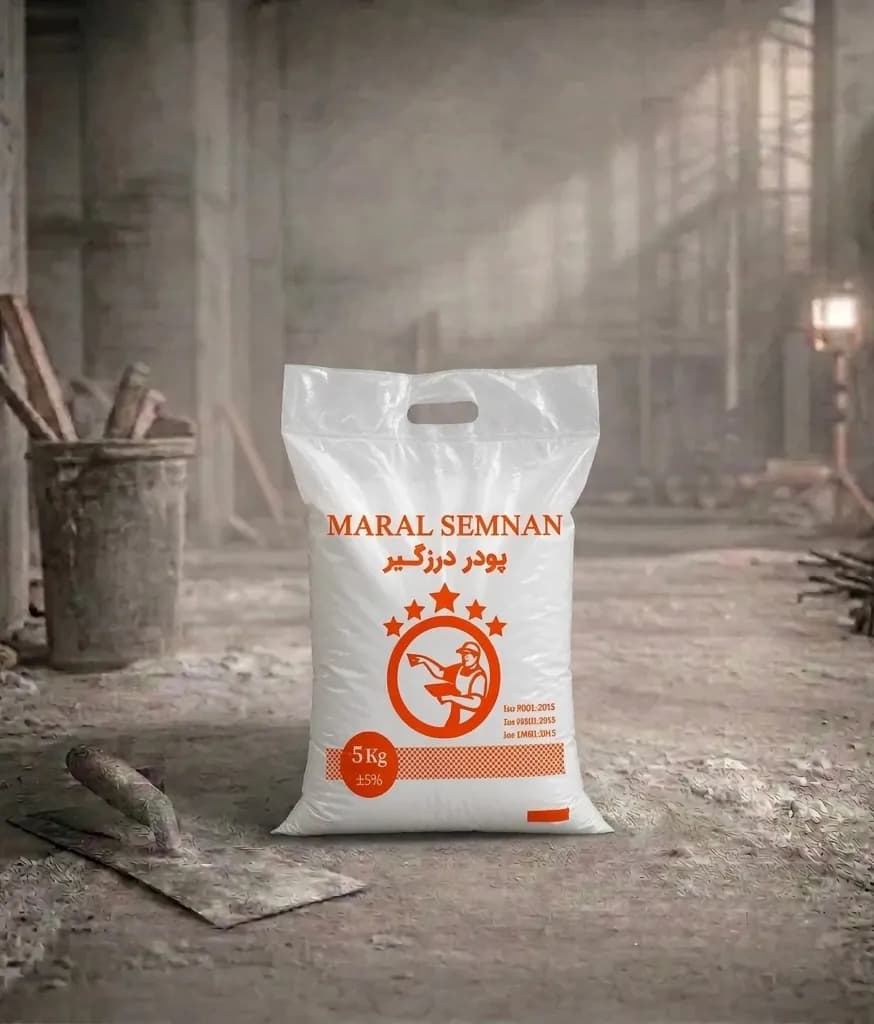
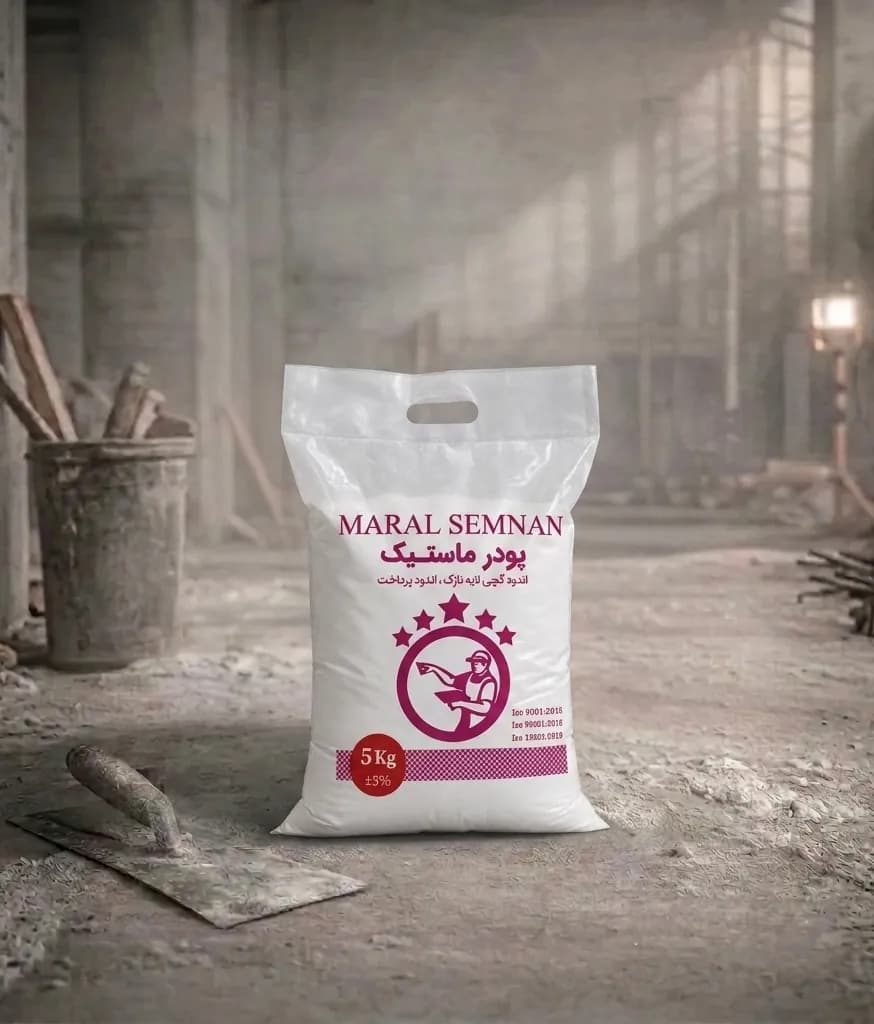
* Gypsum Plaster: Gypsum plaster is a modified type of gypsum that has improved properties due to the addition of specific additives. These additives can include retarders, accelerators, plasticizers, and polymeric materials. Gypsum plaster is generally of higher quality and more expensive than white gypsum.
Key Differences Between White Gypsum and Gypsum Plaster
In this section, we will examine the differences between white gypsum and gypsum plaster in various aspects:
* White Gypsum: White gypsum is mostly used for general purposes such as underlayment, plastering walls and ceilings, and also making mortar. Due to its low price, white gypsum is a more economical choice for large projects.
* Gypsum Plaster: Gypsum plaster, due to its improved properties, is suitable for more specialized applications. These applications include:
* Facade Plastering: Due to greater resistance to weather conditions
* Manufacturing Gypsum Prefabricated Parts: Due to high strength and dimensional stability
* Stucco and Interior Decorations: Due to better formability and finishing
* Fireproofing: Due to the fire-resistant properties of gypsum
* In general, the price of gypsum plaster is higher than that of white gypsum. This price difference is due to the use of additives and more complex production processes in the production of gypsum plaster. To find out the price of Semnan gypsum, you can visit the page قیمت گچ سمنان.
* Gypsum plaster is usually whiter than white gypsum. This is due to the use of higher quality gypsum as well as whitening additives in the production of gypsum plaster. Although the advantages of Semnan gypsum in its whiteness and uniformity have made even the white gypsum produced in Semnan of high quality. For more information, you can visit the page Advantages of Semnan Gypsum.
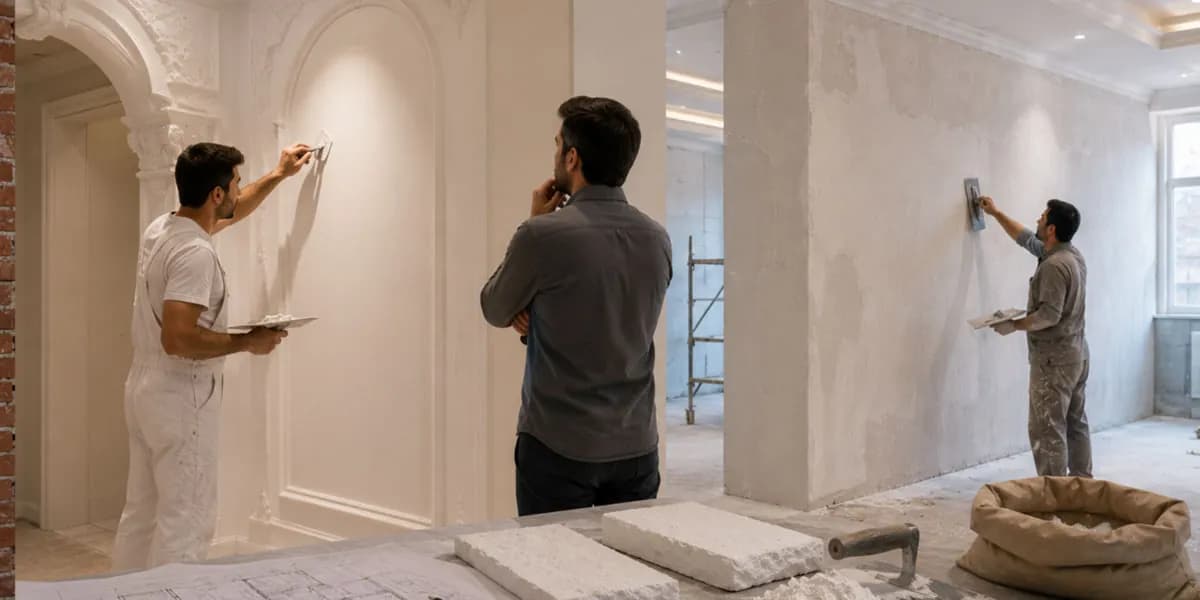
* The setting time of gypsum depends on various factors such as the type of gypsum, temperature, and humidity of the environment. However, in general, gypsum plaster has a more controlled setting time due to the presence of additives. This feature is especially important in projects that require sufficient time to work with gypsum.
* Gypsum plaster has more resistance than white gypsum due to the presence of additives. This greater resistance is against impact, abrasion, and moisture. For this reason, gypsum plaster is more suitable for use in high-traffic areas or in areas exposed to moisture.
* Gypsum plaster is softer and more fluid than white gypsum due to the presence of plasticizers. This feature makes it easier to work with gypsum plaster, resulting in a smoother and more uniform final surface.
* The adhesion of gypsum plaster to the substrate is usually greater than that of white gypsum. This is due to the presence of polymeric materials in gypsum plaster, which increases its adhesion.
Advantages and Disadvantages of White Gypsum and Gypsum Plaster
White Gypsum:
* Advantages:
* Reasonable price
* Easy access
* Wide application
* Disadvantages:
* Less resistance than gypsum plaster
* Uncontrollable setting time
* Less whiteness
Gypsum Plaster:
* Advantages:
* More resistance
* Controlled setting time
* More whiteness
* More softness and flow
* Better adhesion
* Disadvantages:
* Higher price
* More limited access
Which Type of Gypsum is Suitable for Your Project?
The choice between white gypsum and gypsum plaster depends on various factors, including:
* Type of Project: For large and general projects, white gypsum is usually a more economical choice. For more specialized projects such as facade plastering, manufacturing prefabricated parts, and stucco, gypsum plaster is more suitable.
* Budget: If you have a limited budget, white gypsum is a more suitable option. If the quality and durability of the work are more important to you, gypsum plaster is worth more investment.
* Environmental Conditions: If the project is exposed to moisture or impact, gypsum plaster is a better choice due to its greater resistance.
* Plasterer's Skill: Working with gypsum plaster is easier due to its greater softness and flow. If your plasterer has less experience, using gypsum plaster can lead to a better result.
Practical Examples for Better Choice
To better understand the differences and make the right choice, consider the following examples:
* Example 1: Building a Warehouse: For building the interior walls of a warehouse that is not exposed to direct moisture, using white gypsum is a good choice due to its lower price.
* Example 2: Plastering the Facade of a Building in Rainy Areas: In this case, the use of gypsum plaster is essential due to its greater resistance to moisture and weather conditions.
* Example 3: Creating Complex Stucco Designs: For creating stucco designs with many details, gypsum plaster is an ideal choice due to its better softness and formability.
* Example 4: Renovating an Old House with a Limited Budget: In this situation, white gypsum can be used for the underlayment and gypsum plaster for the final layer and more sensitive parts to save costs and maintain the quality of the work.
Important Points When Using Gypsum
* Surface Preparation: Before using gypsum, the substrate surface must be clean, dry, and free of any contamination. If necessary, use a suitable primer to increase the adhesion of the gypsum.
* Water-to-Gypsum Ratio: Observing the correct water-to-gypsum ratio plays an important role in the final quality of the work. In general, for white gypsum, the water-to-gypsum ratio should be about 0.6 to 0.7. For gypsum plaster, this ratio may be slightly different. Always read the instructions on the product packaging carefully.
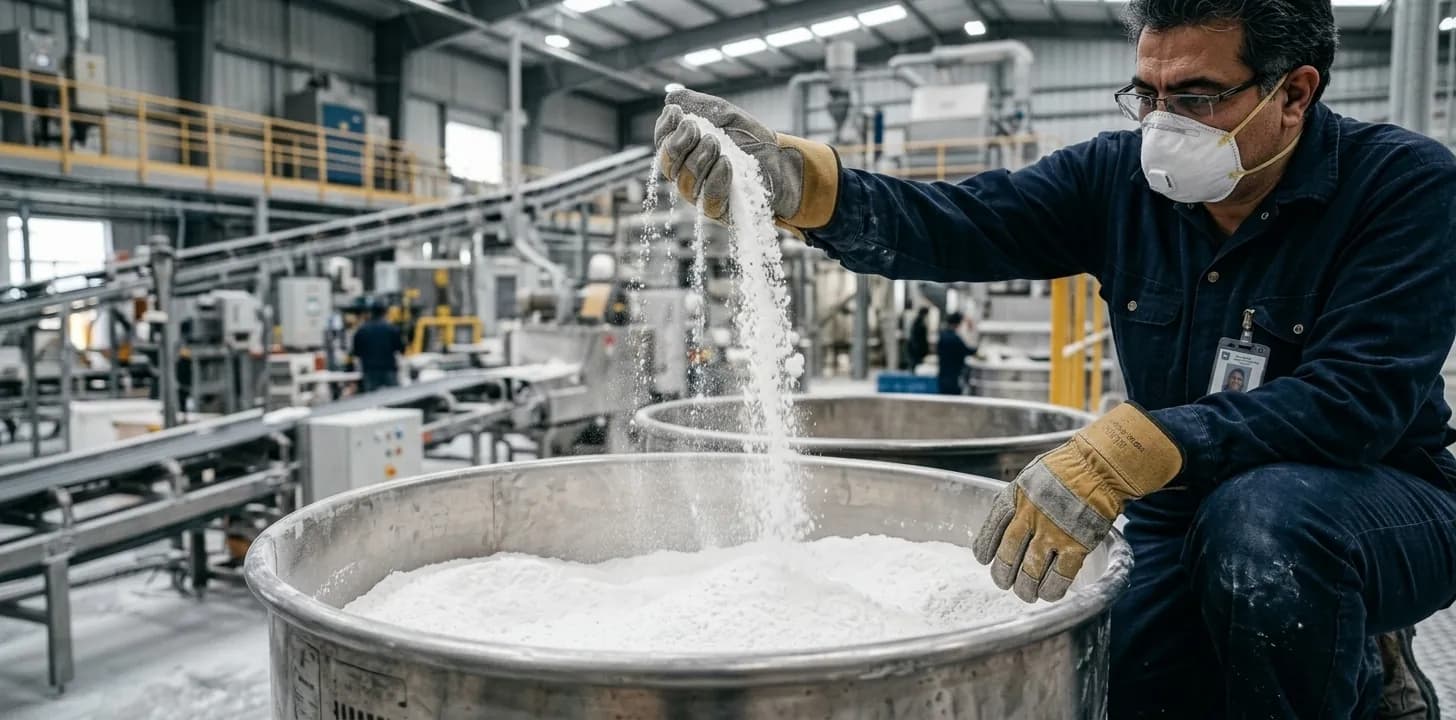
* Mixing: Add the gypsum slowly to the water and stir constantly until a homogeneous and lump-free mixture is obtained. Avoid over-stirring, as this can reduce the quality of the gypsum.
* Execution Time: Use the gypsum immediately after mixing. Avoid storing the mixed gypsum for a long time, as this will cause it to harden and lose its properties.
* Storage Conditions: Store the gypsum in a dry and cool place. Avoid exposing the gypsum to moisture and direct sunlight.
Semnan Gypsum: A Reliable Choice for Your Construction Projects
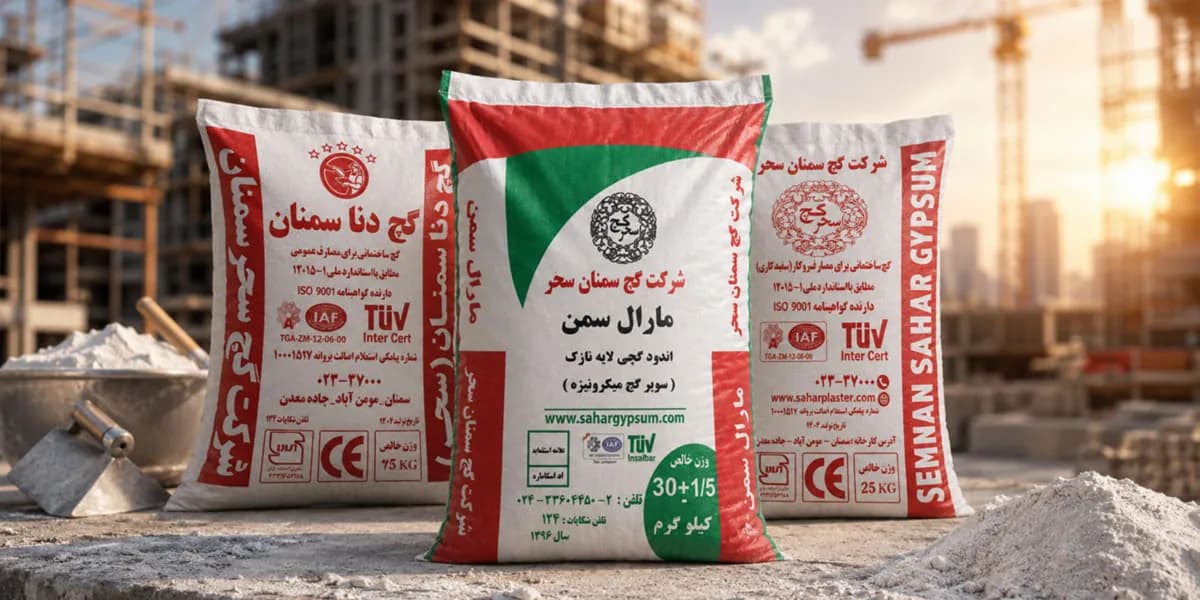
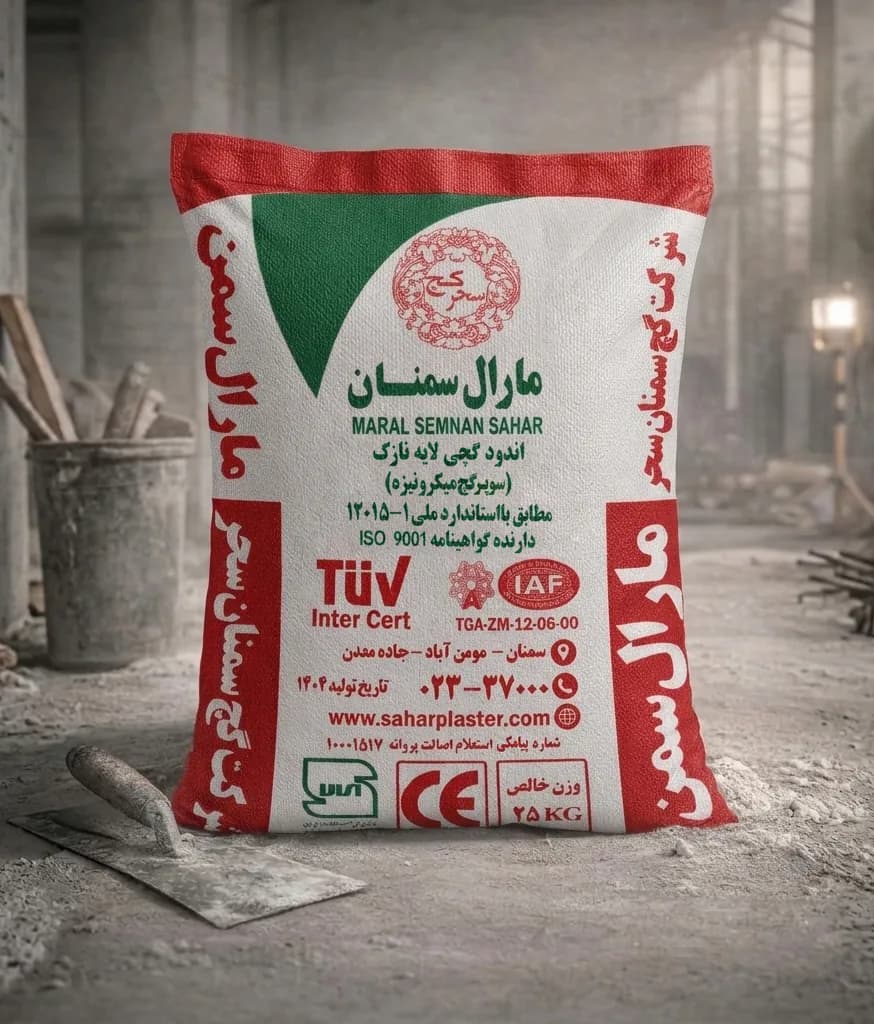
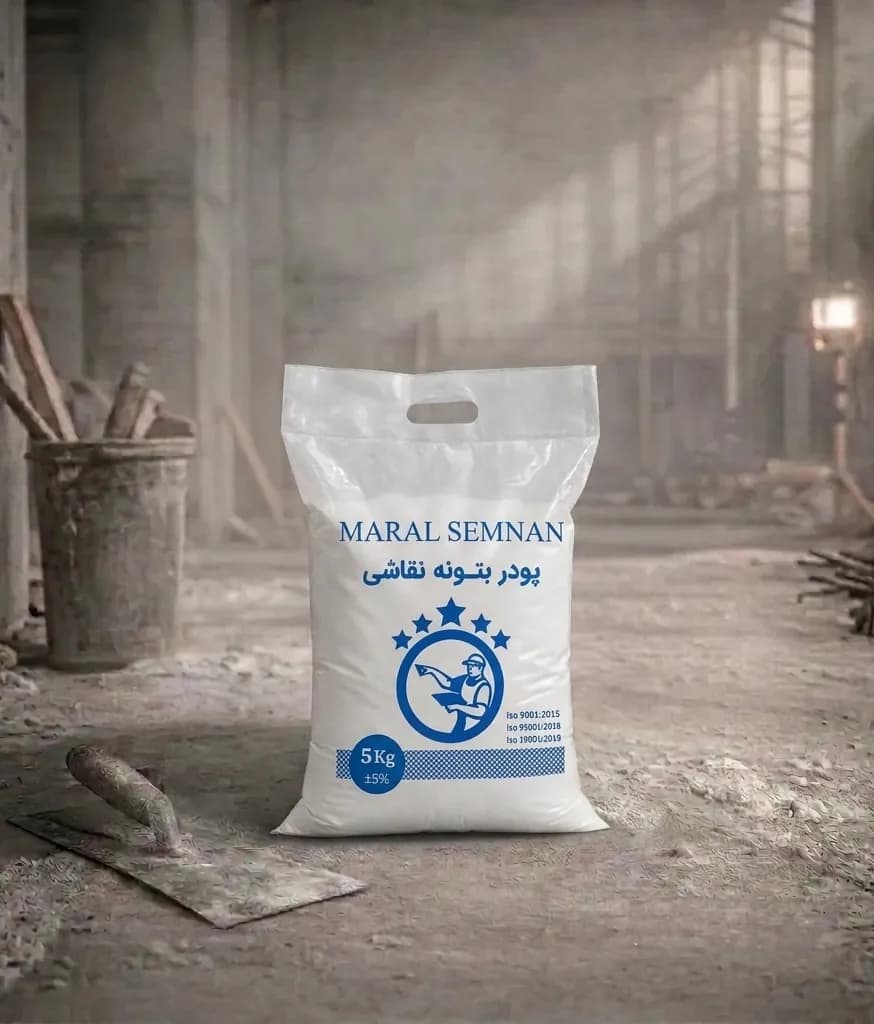
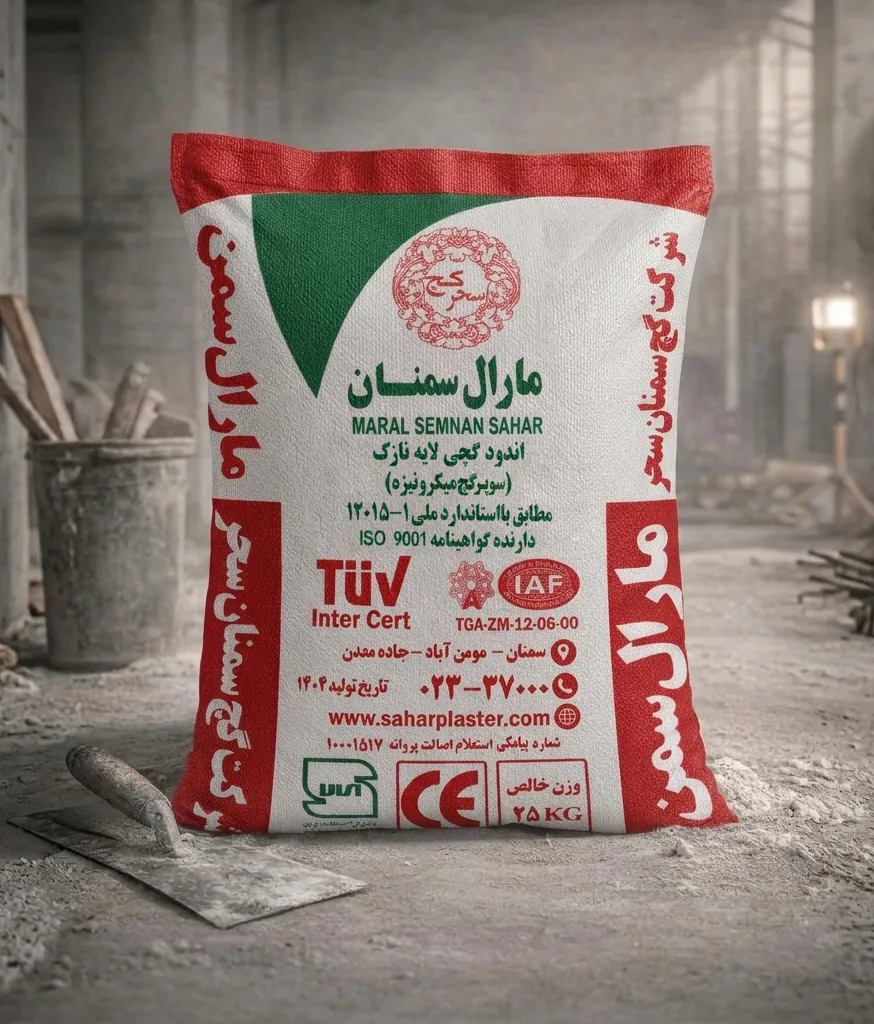
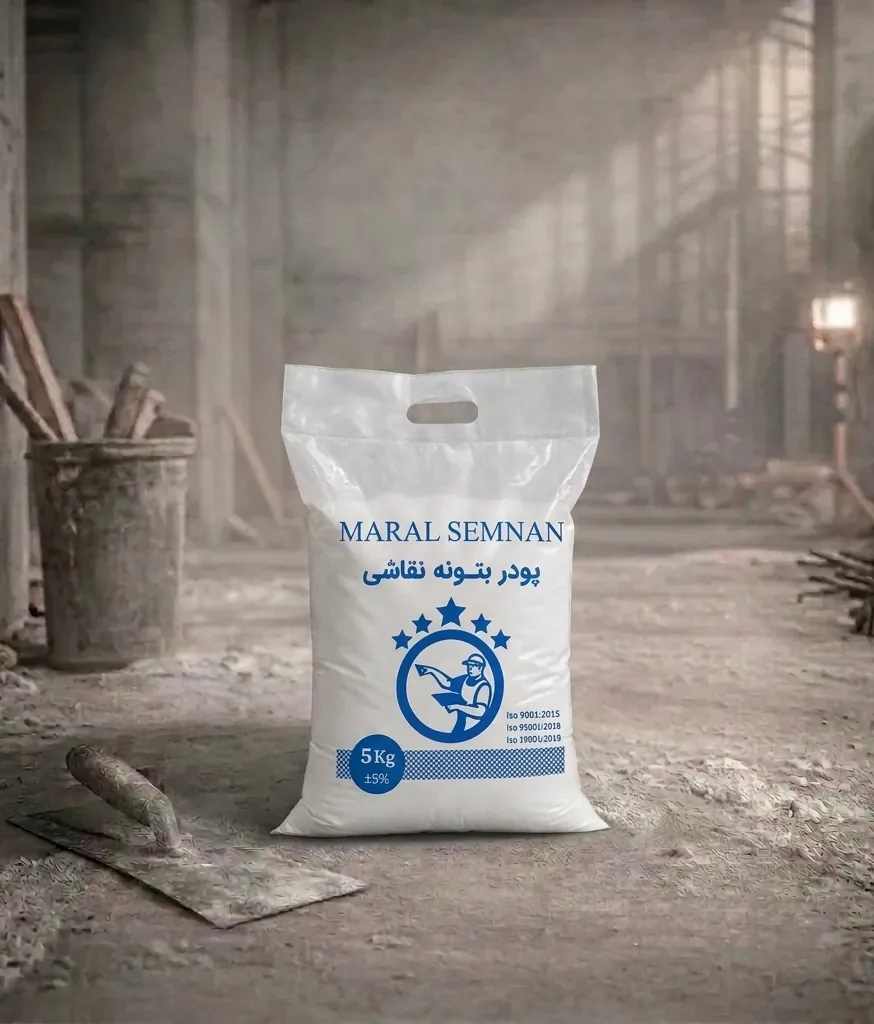
Gach Sahar Semnan Gypsum produces and supplies high-quality construction gypsum by utilizing the best gypsum mines and using the latest technologies in the world. Gach Sahar Semnan gypsum products include white gypsum, gypsum plaster, polymer gypsum, and other products related to the gypsum industry. You can visit the page خرید و ارسال سراسری to buy Semnan gypsum.
Why Choose Gach Sahar Semnan Gypsum?
* High Quality: Gach Sahar Semnan gypsum is produced from the best raw materials and using advanced technologies.
* Reasonable Price: Gach Sahar Semnan gypsum has a competitive price considering its high quality.
* Variety of Products: Gach Sahar Semnan gypsum offers various types of construction gypsum for different applications.
* After-Sales Service: Gach Sahar Semnan gypsum provides good after-sales service to its customers.
Frequently Asked Questions (FAQ)
* Can gypsum plaster be used instead of white gypsum?
* Yes, gypsum plaster can be used instead of white gypsum. However, due to the higher price of gypsum plaster, this is usually only done in projects that require higher quality and durability.
* How can gypsum plaster be distinguished from white gypsum?
* Gypsum plaster is usually whiter and softer than white gypsum. Also, gypsum plaster usually has different packaging than white gypsum and the phrase "gypsum plaster" is written on it.
* Is gypsum plaster harmful to the environment?
* Gypsum plaster is generally not harmful to the environment. Gypsum is a natural mineral and the additives used in gypsum plaster are usually non-toxic. However, it is best to wear a mask and gloves when using gypsum to avoid direct contact with the skin and respiratory system.
* Is polymer gypsum the same as gypsum plaster?
* No, polymer gypsum is another type of modified gypsum in which polymers are used as an additive. Polymer gypsum has different properties than gypsum plaster and is more suitable for specific applications such as facade construction and insulation. To learn more about polymer gypsum, you can visit the page [/general] What is polymer gypsum and what are its advantages?.
* Why are there cracks on the surface after plastering?
* Cracking after plastering can have various reasons, including: using substandard gypsum, improper preparation of the substrate surface, sudden temperature changes, or using an inappropriate water-to-gypsum ratio. To prevent gypsum from cracking, use quality gypsum, prepare the substrate surface properly, and carefully observe the water-to-gypsum ratio.
Conclusion
The choice between white gypsum and gypsum plaster depends on the specific needs and conditions of your project. By considering the key differences between these two types of gypsum, you can make the best choice to achieve the desired result. Gach Sahar Semnan Gypsum is with you in all construction projects by offering diverse and high-quality products. For more information about Semnan construction gypsum, visit the page گچ ساختمانی سمنان. Also, to view our products, you can visit the page فروشگاه or specifically visit Gach Sahar Semnan Maral Gypsum.